
History of Home Video Game Consoles
Home video game consoles are a communication technology because they connect people through games. At first it was in the same room, and later online with voice chat, messages, and multiplayer communities. Below is a simple timeline told through 5 pieces of hardware.
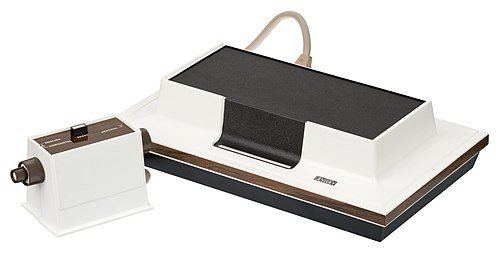
Magnavox Odyssey (Home Video Game Console)
Year: 1972
This was extremely simple. It could only make basic shapes on a TV screen. There was no real sound, no color graphics like we think of today, and no internet. But it was a huge breakthrough: it proved people wanted interactive entertainment at home.
Source: https://en.wikipedia.org/wiki/Magnavox_Odyssey
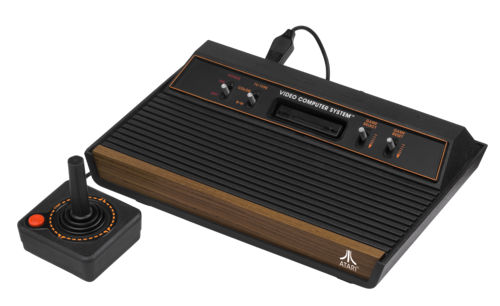
Atari 2600 (Atari VCS) Console and Controller
Year: 1977
A big improvement here was cartridge based games, which made it easy to buy and swap games. Graphics and sound were still basic, but the idea of building a game library at home became normal. The downside was that games quality wasn’t always the greatest.
Source: https://en.wikipedia.org/wiki/Atari_2600
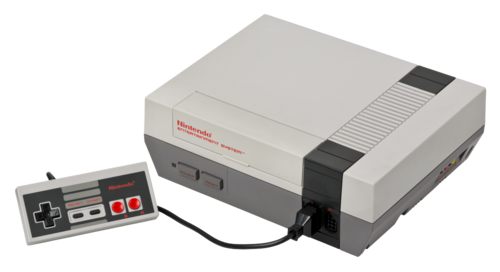
Nintendo Entertainment System (NES) Console Set
Year: 1985 (U.S. release)
The NES helped make home gaming mainstream again by improving reliability and game quality. Games looked and sounded better, and controllers became more comfortable and precise. A downside is that it was still mostly an at home offline experience with no built in online play.
Source: https://en.wikipedia.org/wiki/Nintendo_Entertainment_System
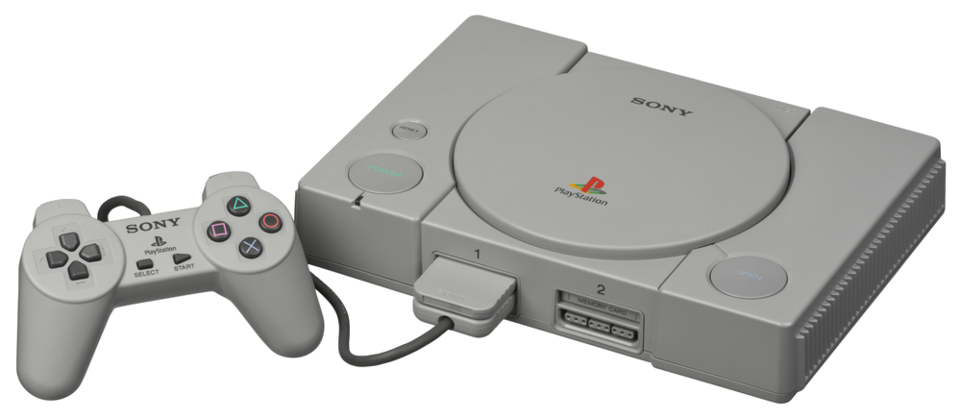
Sony PlayStation (Original) Console with Controller
Year: 1994
The big jump here was 3D graphics becoming common. The PlayStation also used CDs, which could store more data than cartridges, allowing larger games, more music, and more cutscenes. The bigger downside now was that CDs could get scratched, and loading times became more common than with cartridges.
Source: https://en.wikipedia.org/wiki/PlayStation_(console)
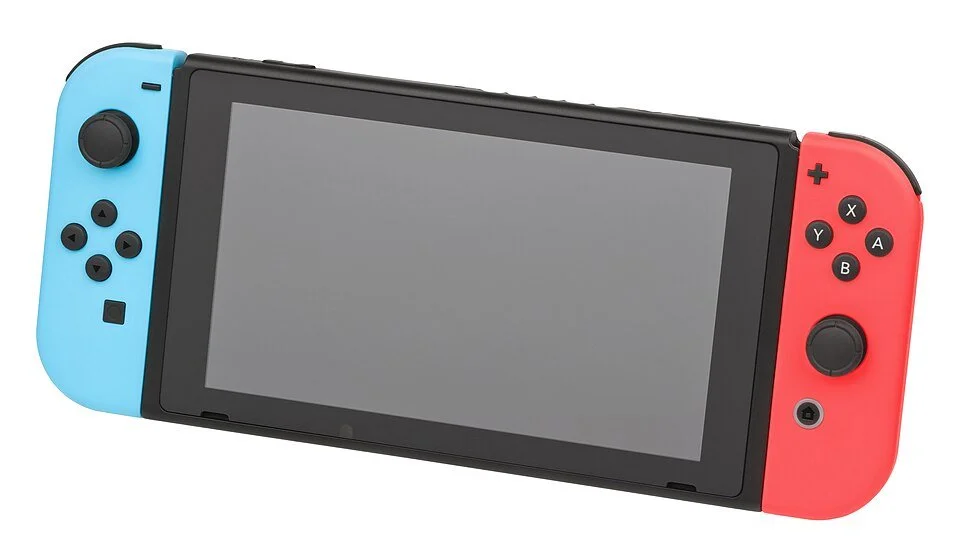
Nintendo Switch (Hybrid Home/Portable Console)
Year: 2017
This shows how consoles became more about connecting people. The Switch supports online multiplayer, digital downloads, and easy sharing. Plus you can play it handheld or on a TV. The downside is that modern consoles depend more on accounts, updates, and internet features, which can be annoying when you just want to play.
Source: https://en.wikipedia.org/wiki/Nintendo_Switch
Overall Changes Over Time
What improved:
Graphics and sound went from simple shapes to realistic 3D worlds.
Storage improved (cartridges to CDs to game cards & digital downloads).
Communication features grew a lot: online multiplayer, voice chat, messaging, and communities.
Convenience improved with portable play, wireless controllers, and downloadable games.
What worsened:
Consoles became more dependent on updates, accounts, and internet.
Games can be more complicated to “just plug in and play” compared to older systems.
Modern hardware is more powerful, but sometimes also more expensive.